
IN DEPTH Reports
In light of the rapid transformations in global politics over recent months, it is no longer sufficient to understand Iran’s behavior merely as part of traditional regional conflicts or limited influence-seeking strategies. Rather, it has become necessary to view it as a factor generating widespread instability, extending from within Iran to the broader region and ultimately to the global economy.
In recent years, Iran has adopted an approach that combines military tools, economic instruments, and informal networks, leading to what is known as “cascading risks.” In this context, crises no longer remain localized; instead, their effects quickly spread to energy markets, supply chains, and the global economy.
Accordingly, the risks associated with Iranian behavior are no longer confined to military escalation alone, but also stem from its capacity to disrupt global market stability, increase the costs of trade, and influence investment decisions. This reflects a significant shift in the nature of conflict, where economic leverage and strategic corridors have become central tools of pressure.
This study is guided by several key questions: How have these policies affected Iran’s domestic conditions? What is the relationship between the economy and the financing of armed activities in the region? And how does this dynamic impact energy security and global stability?
In this context, global energy expert Daniel Yergin notes: “Geopolitical risks are no longer measured solely by the likelihood of war, but by their ability to impact markets, energy, and global supply chains.”
Building on this perspective, this research aims to provide a comprehensive analysis that connects politics, economics, and Iran’s regional role, in order to understand this transformation as a source of systemic risk at the level of the international system, rather than merely conventional geopolitical behavior.
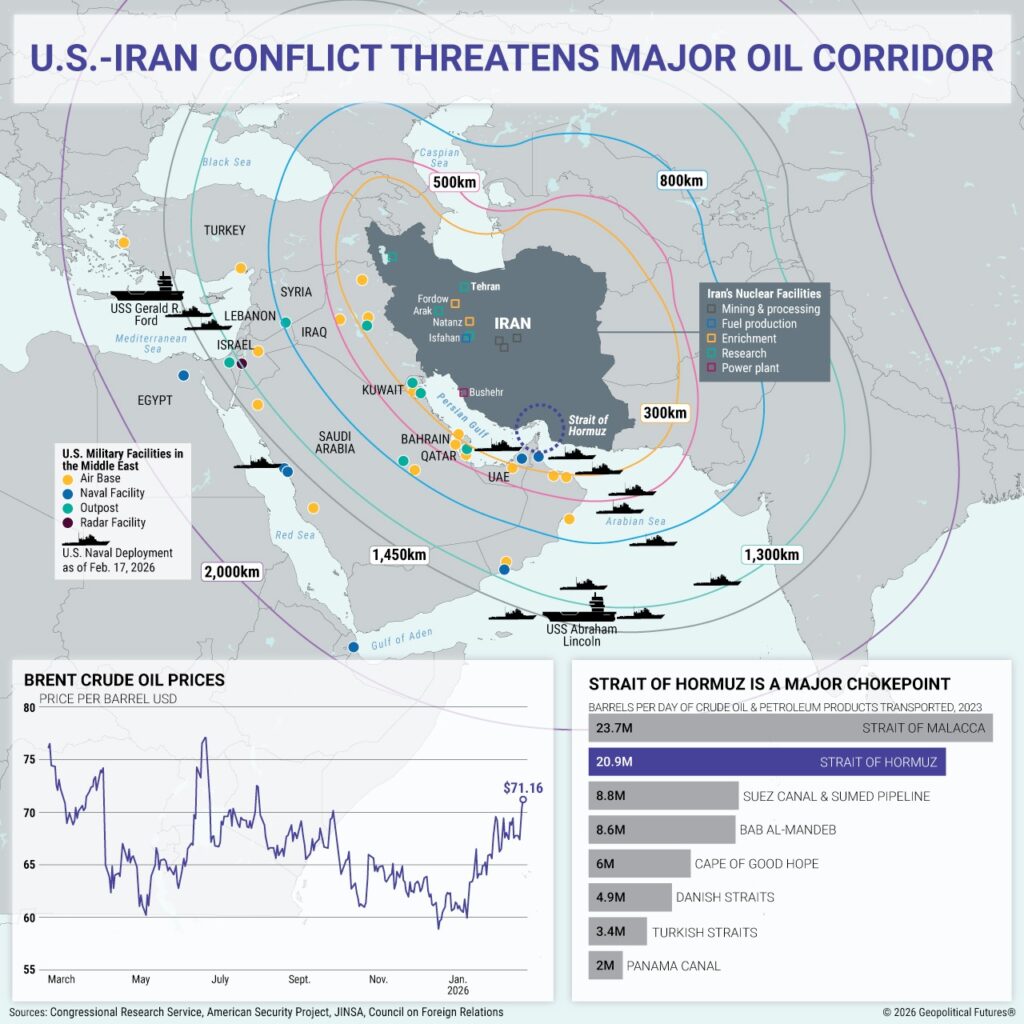
From Iran’s coastlines, the threat posed by ballistic missiles and drones extends to one of the most sensitive arteries of the global economy: the Strait of Hormuz, as well as Gulf ports and energy infrastructure in the United Arab Emirates, Qatar, and Bahrain.
Weakening the State Internally: The Economy as a Casualty of Politics
Economic indicators in Iran point to a deep structural problem in the state’s ability to maintain internal stability, particularly amid ongoing economic pressures and the continued diversion of resources toward external activities rather than domestic needs.
According to data from the International Monetary Fund, inflation reached approximately 41.6%, while the World Bank estimated economic growth in 2024 at only around 3.7%. These figures reflect an economy experiencing clear weakness, driven by sanctions, declining investment, and structural challenges in production.
At the same time, a significant portion of resources is directed toward supporting external activities, including various regional networks. Estimates suggest that Iran has spent tens of billions of dollars since 2011 in this context, reducing domestic investment, particularly in infrastructure and productive sectors.
This situation has created a state of imbalance, where external influence is prioritized at the expense of internal stability. As a result, unemployment rates have risen, purchasing power has declined, and economic pressures on citizens especially middle- and lower-income groups have intensified.
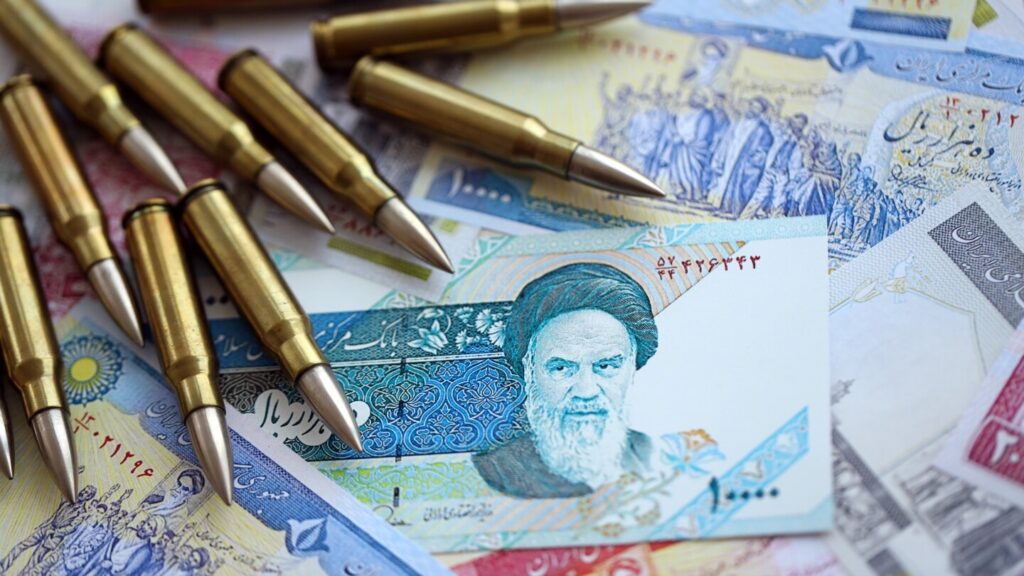
In addition, Iran increasingly relies on what is known as the “parallel economy,” which includes oil smuggling, front companies, and informal payment mechanisms. Estimates indicate that between 1.2 and 1.5 million barrels per day were exported through such channels in 2025, reflecting the scale of the informal economy.
Dr. Peter Glazewski notes that “Iran faces deep economic challenges that are not solely linked to sanctions, but also to structural imbalances and internal policy choices. The current economic pressures reflect the limited capacity of the Iranian economy to achieve sustainable stability under existing policies.”
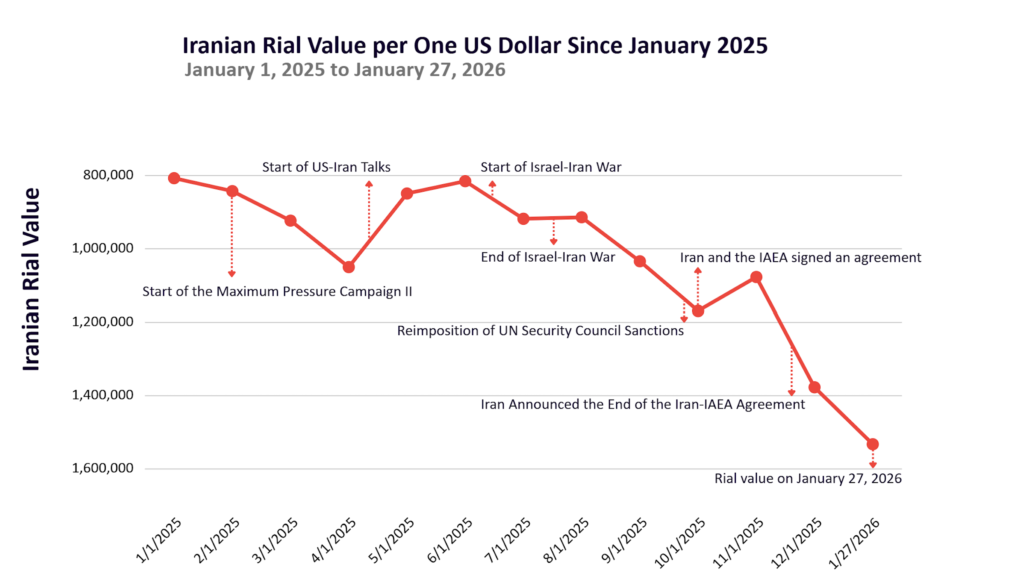
The chart shows that periods of Iranian escalation and conflict have been accompanied by a significant decline in the value of the Iranian rial, reaching its lowest levels in early 2026. This reflects the fragility of the Iranian economy and its direct sensitivity to political tensions.
Accordingly, it can be argued that Iranian policies have not only complicated the regional environment but have also contributed to weakening the state internally. This has occurred through the depletion of resources, the deepening of economic imbalances, and the erosion of the state’s capacity to achieve long-term stability. This trajectory reflects a misalignment in strategic priorities, where external influence is prioritized at the expense of domestic stability, ultimately constraining the state’s ability to function as a stable and effective actor.
This dynamic also reveals a clear paradox: Iran’s external influence continues to expand at a time when its internal capacity for stability is eroding, raising critical questions about the long-term sustainability of this model.
The Parallel Economy and the Financing of Armed Networks: A Causal Link Between Resources and Influence
The parallel economy constitutes a central pillar of Iran’s strategy, as Tehran relies on an informal financial system that enables it to circumvent international sanctions and maintain steady financial flows outside conventional regulatory frameworks.
This system includes oil smuggling networks, front companies, and informal payment mechanisms that depend on regional and international intermediaries, creating a complex financial environment that is difficult to trace or regulate.
In this context, the parallel economy is directly linked to the financing of non-state actors, including Hezbollah in Lebanon, Popular Mobilization Forces in Iraq, and the Houthis in Yemen, as well as other regional networks. These resources are used to support military and logistical capabilities, including weapons procurement, operational funding, and organizational strengthening.
This interconnection reflects a model in which economic resources are converted into instruments of security influence, enabling Iran to project power beyond its borders without direct engagement in confrontation.
Over time, however, increasing reliance on the parallel economy also undermines the authority of the state itself, by creating alternative financial and organizational networks that operate beyond formal institutions, thereby limiting the state’s capacity for control and governance.
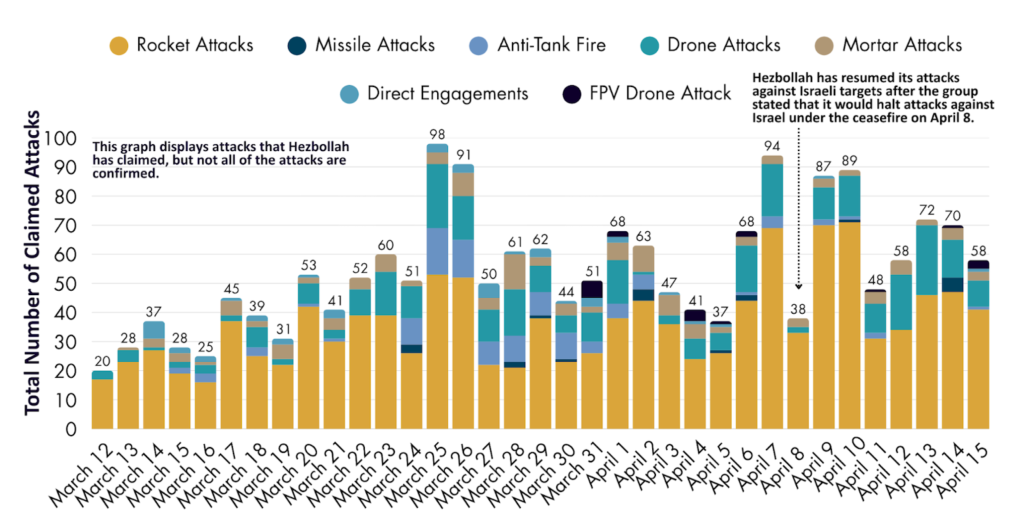
The data show that rocket attacks carried out by Hezbollah accounted for the largest share of total daily operations, followed by drone attacks, including the use of FPV drones.
However, despite its short-term effectiveness, this model generates a range of structural challenges. Reliance on non-transparent financing channels increases the fragility of the financial system, limits the ability to regulate cash flows, and creates opportunities for corruption and overlapping interests between formal and informal actors.
Moreover, financing armed networks through this parallel economy contributes to the expansion of instability, as the effects of these activities spill over from the security domain into the economic sphere—particularly through targeting infrastructure and threatening critical trade routes.
Economist Mark Peterson notes that “the interconnection between the parallel economy and armed groups expands instability beyond national borders.”
This has had direct repercussions on both regional and global economies. Attacks associated with these networks have led to increases in maritime insurance costs ranging between 30–50% during certain periods, in addition to rising shipping costs and disruptions to supply chains. This indicates that the parallel economy not only finances influence but also generates transnational economic risks.
Accordingly, Iran’s parallel economy should not be viewed merely as a mechanism to circumvent sanctions, but rather as a central component of its regional influence system, where economic resources are transformed into indirect tools of pressure. However, this linkage between the informal economy and military activities simultaneously deepens risks and broadens instability, reflecting an unsustainable model whose costs continue to rise over time at both the regional and international levels.
This dynamic highlights a clear duality: while it delivers short-term tactical gains, it simultaneously accumulates structural risks that threaten long-term economic and political stability.
Regional Impact: From Influence to Chronic Instability
Iran’s strategy of expanding influence through indirect networks has reshaped the security environment in the Middle East. However, the outcomes of this expansion have not translated into stability or sustainable deterrence. Instead, they have contributed to the emergence of a pattern of chronic instability that spans multiple arenas simultaneously.
Rather than enhancing Tehran’s ability to control the trajectory of conflicts, the proliferation of affiliated armed networks has expanded the scope of threats, transforming several countries into open arenas of tension where security, economic, and political dimensions intersect in complex ways. This is clearly reflected in attacks targeting energy facilities, maritime routes, and critical infrastructure impacts that extend beyond the directly affected states to regional and global economies.
This pattern of threat has significantly elevated risk levels. Maritime insurance costs in some critical shipping corridors have increased by 30–50%, while shipping companies have been forced to reroute away from high-risk areas. In some cases, this has extended voyage times by 10 to 15 days and increased transportation costs by up to 40%. These indicators demonstrate the direct spillover of conflict from the security domain into the economic sphere.
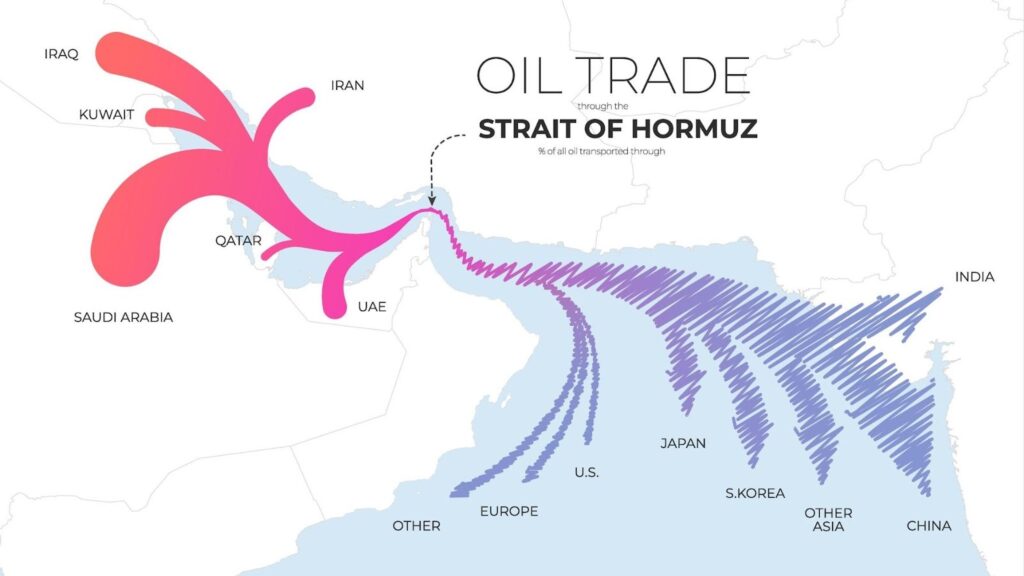
The targeting of critical chokepoints, such as the Strait of Hormuz and the Red Sea, has exposed the fragility of the regional economic structure, where the continuity of global energy flows and trade is highly dependent on security stability. As threats escalate, these routes are no longer merely transit corridors but have become persistent flashpoints that directly affect the stability of global markets.
According to the International Institute for Strategic Studies, “the rise of indirect threats in the Middle East reflects the region’s transition into a pattern of chronic instability.”
At the same time, this expansion of influence has produced counterproductive strategic outcomes. It has driven affected states to strengthen their defensive capabilities and increase security coordination among themselves, signaling the emergence of a regional environment increasingly oriented toward collective deterrence. It has also reduced the attractiveness of investment in several affected countries due to heightened risks and instability, thereby deepening their economic challenges.
More importantly, this model reflects a clear strategic paradox: the broader Iran’s geographic influence expands, the more its ability to generate stability or translate that influence into sustainable gains diminishes. Rather than serving as a source of strength, this influence has become a driver of a more fragile and confrontational regional environment, increasing the long-term costs of sustaining it.
Accordingly, the regional impact of Iranian policies can no longer be measured by the scale of expansion or the number of allies, but by the extent to which it contributes to instability. As this pattern continues, the region is gradually transforming into a high-risk environment where security threats and economic pressures intersect—indicating a shift in Iran’s influence from a tool of power to a factor of regional fragmentation.
This behavior can be understood as part of a “cost-imposition strategy,” in which escalation is not necessarily aimed at achieving direct victory, but rather at increasing the economic and security costs of stability for other states.
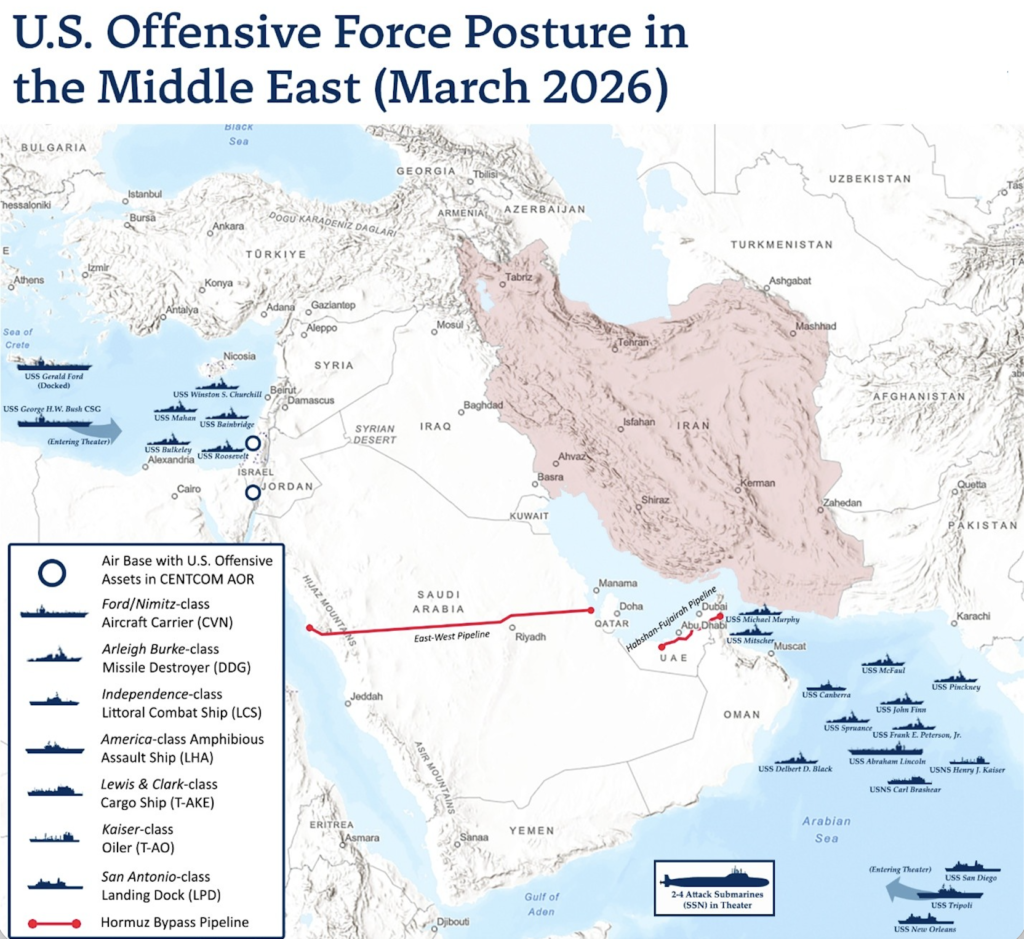
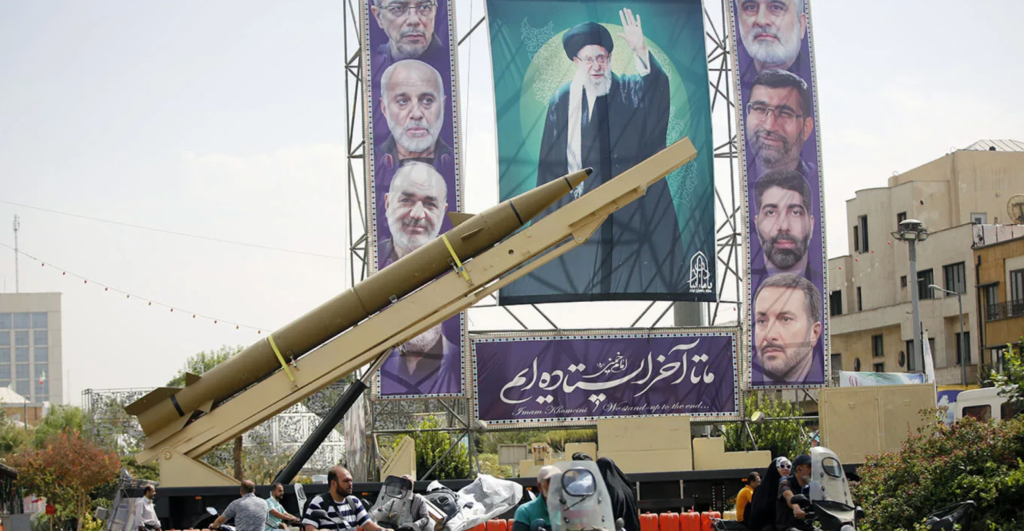
The deployment of a large number of U.S. naval assets spanning from the eastern Mediterranean through the Red Sea to the Arabian Sea and the Gulf aims to secure maritime routes following Iran’s targeting of vessels carrying global energy supplies and trade.
Global Security Threat: From the Regional Level to the International System
The impact of Iranian policies is no longer confined to the regional framework; it now extends directly into the structure of the international system through its effects on energy security, market stability, and global supply chains. This shift reflects a transition from a localized or regional threat model to a form of transnational disruption that influences the balance of the global economy.
As threats to critical maritime chokepoints escalate particularly in the Strait of Hormuz and the Red Sea the global economy has become increasingly vulnerable to sudden shocks in energy and trade flows. Approximately 20% of global oil supplies pass through the Strait of Hormuz, in addition to a significant share of liquefied natural gas (LNG), making any disruption in this corridor capable of producing immediate impacts on prices and markets.
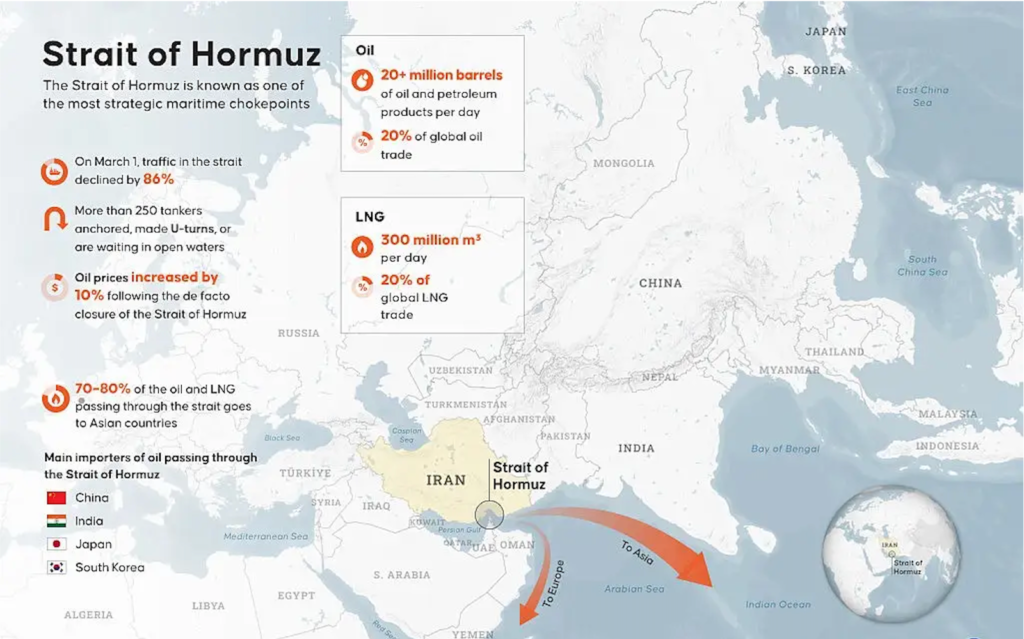
Estimates suggest that any large-scale disruption could reduce oil flows by approximately 10–11 million barrels per day, creating a significant supply gap that would be difficult to compensate for in the short term.
At the same time, threats to maritime navigation in the Red Sea have forced many global shipping companies to reroute vessels around the Cape of Good Hope, resulting in longer transit times and substantially higher transportation costs. This shift has not been limited to logistics; it has also affected global commodity prices and contributed to rising inflationary pressures, particularly in import-dependent economies.
In this context, the concept of cascading risks becomes evident, as shocks rapidly transmit from one sector to another beginning with energy, moving through transportation, and extending to food systems and financial markets. Rising oil prices increase the cost of agricultural production and transportation, which in turn drives up food prices and threatens food security, especially in more vulnerable countries.
In addition, these threats have begun to reshape global investment decisions, with companies becoming more cautious about committing to long-term investments in high-risk regions. This hesitation limits market expansion and the ability to meet future demand, thereby increasing the likelihood of recurring economic disruptions.
Furthermore, the escalation of risks associated with Iran has led to strengthened deterrence and containment policies by international powers, including an increased military presence in critical maritime corridors and enhanced security coordination to protect global trade. While these responses are important, they also reflect the rising cost of maintaining stability, indicating that the threat is no longer purely security-related but also economic and strategic in nature.
Accordingly, Iranian policies can now be seen as a key factor in the pricing of risk within the international system. Markets are no longer driven solely by supply and demand dynamics, but also by the level of geopolitical tension associated with these policies. Rather than functioning as a stabilizing element, Iran has become a variable that increases uncertainty, amplifies market volatility, and shapes global trade and investment decisions.
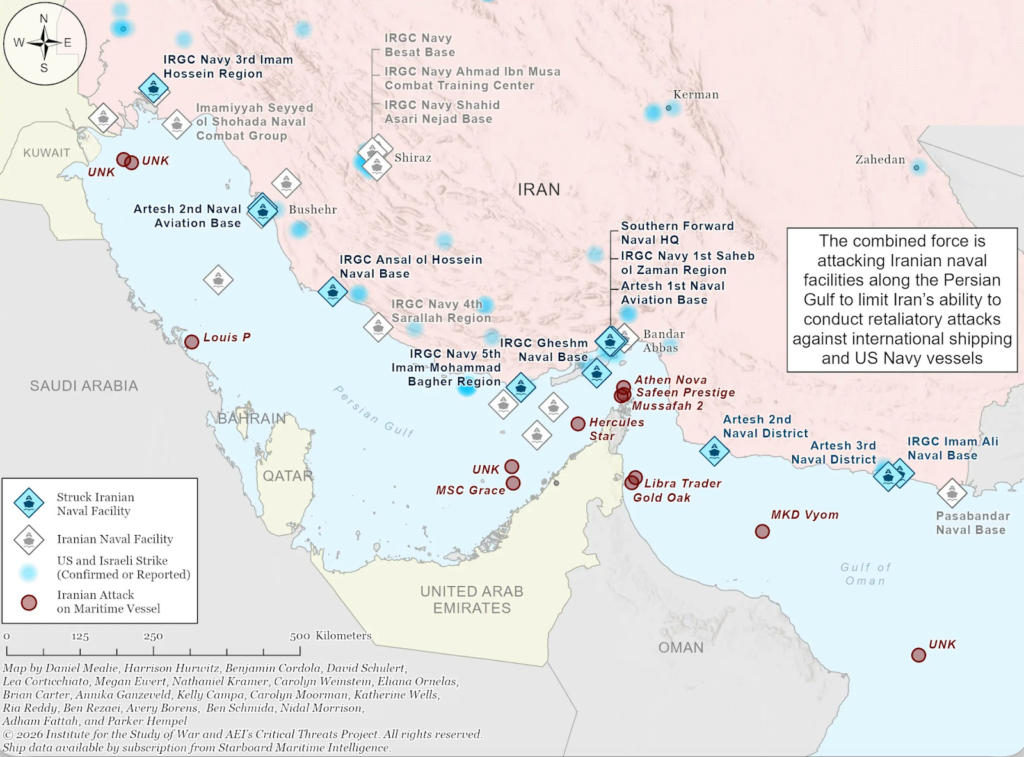
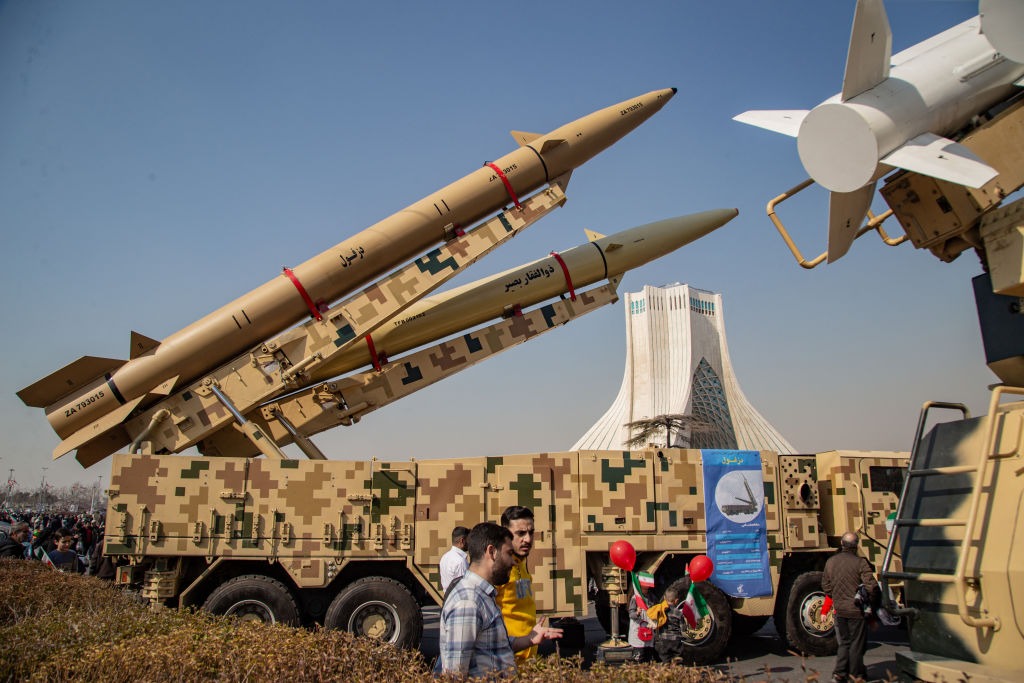
Iran relies on the deployment of naval mines in the Strait of Hormuz and the Arabian Gulf to disrupt maritime navigation, with the aim of imposing costs on Gulf states, the United States, and the European Union.
In this context, the challenge posed by Iran is no longer limited to containing a regional threat; it now requires a comprehensive international approach that takes into account the deep interconnection between security and economics, and reflects the need to manage the systemic risks generated by such behavior.
Impact on the West: From External Threat to a Structural and Institutional Burden
The impact of Iranian policies on Europe and the United States is no longer limited to direct disruptions in energy markets or supply chains. It has extended into the internal institutional and economic structures of these states by imposing a new pattern of costs associated with managing complex risks.
As Iran expands its use of the parallel economy, front companies, and informal financial networks, Western countries have been compelled to significantly expand their monitoring and compliance systems. This has led to rising operational costs for financial institutions, shipping companies, insurance sectors, and even technology firms, which are now required to conduct deeper due diligence across supply chains and cross-border transactions.
In this context, sanctions are no longer merely an external pressure tool; they have evolved into a complex internal regulatory system that demands substantial human and technological resources to manage. This has created what can be described as a “compliance economy,” in which companies and banks bear increasing burdens to ensure they do not even indirectly engage with networks linked to illicit activities.
Political economist Nicholas Mulder notes that “sanctions are no longer just a diplomatic tool; they have become an economic system in their own right, imposing structural costs on the states that enforce them as much as on those they target.”
In addition, these dynamics have expanded the role of security and intelligence agencies within Western economies. Tasks such as tracking financial flows, monitoring supply chains, and verifying the end-use of materials and technologies have become part of the routine functions of the state, rather than exceptional responses to specific crises. This reflects a shift toward a model of “comprehensive economic security,” which integrates market tools with security instruments within a single framework.
This transformation also imposes indirect costs on innovation and growth, as it pushes companies toward more risk-averse investment behavior particularly in markets or sectors perceived as high-risk. Such caution not only limits expansion opportunities but also reshapes the global investment landscape, with a growing preference for low-risk environments, even when they offer lower returns.
In this context, global economy researcher Julia Savoli argues that “this pattern creates a form of gradual institutional depletion, where risk management becomes a permanent activity that consumes time and resources, rather than a temporary response to specific crises. Over time, this leads to a reorientation of priorities in Western states from a focus on growth and expansion to one centered on protection and control reflecting a structural shift in the nature of the economic and political system.”
Accordingly, the real impact of these policies lies not only in the crises they directly generate, but in their capacity to impose long-term structural costs on Western states. This occurs through the reshaping of institutions, corporate behavior, and strategic priorities. In this sense, the threat evolves from an external challenge that can be contained into an internal force that redefines how the state and the market operate, embedding risk management as a permanent feature of the system rather than a situational response.
Policy Recommendations: From Analysis to Strategic Options
The findings of this research indicate that addressing Iranian behavior can no longer rely on traditional tools based on partial containment or crisis management. Instead, it requires a comprehensive strategic approach that accounts for the multi-layered nature of the threat and its interconnections across security, economics, and the international system. Accordingly, there is a need to translate analytical insights into practical policy options capable of mitigating risks and enhancing stability in the medium and long term.
First, it is essential to strengthen multi-layered deterrence systems by integrating air and maritime defense capabilities with intelligence tools and regional coordination. This would reduce the effectiveness of missile and drone attacks and ensure the protection of critical maritime routes. It also involves developing joint defense frameworks among affected states, reflecting a shift from unilateral responses to more effective models of collective security.
Second, efforts should focus on targeting the parallel economy and informal financial networks that enable Iran to fund its external activities. This includes enhancing oversight of supply chains, tightening mechanisms for tracking financial flows, and strengthening international cooperation to impose more precise restrictions on smuggling networks and front companies. Weakening these channels is a key step in limiting the financing of armed networks.
Third, protecting critical maritime chokepoints requires more coordinated international mechanisms to ensure the security of navigation—particularly in the Strait of Hormuz and the Red Sea. This includes joint patrols, intelligence sharing, and improved rapid-response capabilities to emerging threats.
Fourth, mitigating economic risks necessitates diversifying energy sources and transportation routes, reducing reliance on strategic bottlenecks, and strengthening the resilience of the global economic system against shocks. Investment in alternative infrastructure should also be prioritized to reduce the vulnerability of supply chains.
Fifth, supporting the stability of states affected by Iran-linked activities is crucial. This can be achieved by strengthening their economic and institutional capacities and addressing security vacuums exploited by armed networks. Enhancing the resilience of these states serves as a first line of defense against transnational threats.
Sixth, there is a need to develop a coordinated international approach to managing systemic risks, one that integrates security and economic dimensions and is based on cooperation among states and international institutions to address non-traditional threats, particularly those related to energy and supply chains.
Accordingly, the recommendations extend beyond merely containing Iranian behavior to reshaping the strategic environment that enables it to generate such risks. As long as the gap between the cost of this behavior and its returns persists, the model will remain sustainable. Reducing this gap by increasing costs and limiting returns constitutes a fundamental pathway toward restoring balance.
In this context, available evidence suggests that maintaining the current trajectory not only escalates risks but also entrenches an unstable model at the level of the international system. Addressing this threat, therefore, cannot rely solely on deterrence tools; it requires broader strategic options aimed at tackling its structural drivers, thereby creating conditions for a more stable regional and global environment.
Accordingly, it is no longer sufficient to treat Iranian behavior as a crisis to be managed or contained. Instead, it is necessary to target the underlying foundations that sustain it. The persistence of this approach is tied to a clear imbalance between cost and benefit, whereby Iran achieves gains that outweigh the losses it incurs. Breaking this pattern requires a fundamental shift in the equation raising costs to a level that renders such behavior unsustainable.